







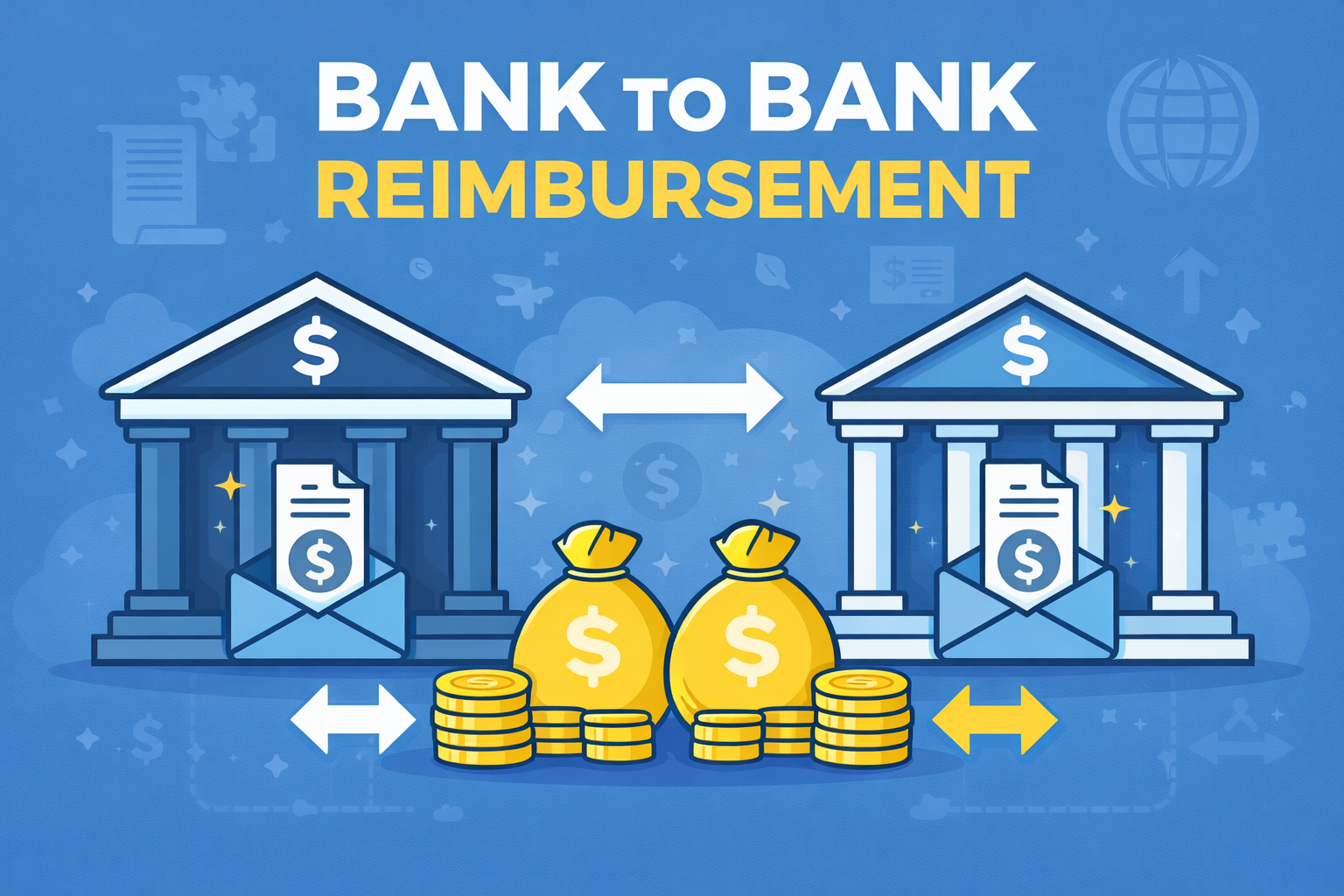
Bank to Bank Reimbursement
-
 By
Sudhakar Sanjeevi
By
Sudhakar Sanjeevi
- 16/Dec/2025
- 1 Students
Course Description
Bank-to-bank reimbursement is a process used in documentary credit transactions where one bank reimburses another bank for payments made under a letter of credit. Typically governed by URR 725 (Uniform Rules for Bank-to-Bank Reimbursements), it involves an issuing bank authorizing a reimbursing bank to reimburse a claiming bank, such as a negotiating or confirming bank, after compliant documents are presented.
This mechanism improves efficiency by allowing payments to be settled through designated reimbursing banks rather than directly between issuing and claiming banks. Bank-to-bank reimbursement reduces settlement risk, ensures liquidity, and supports smoother cross-border trade finance operations. Clear reimbursement instructions, proper authorization, and adherence to URR rules are essential to avoid delays or disputes. Overall, bank-to-bank reimbursement plays a vital role in facilitating timely payments and maintaining trust between banks involved in international trade transactions.

Sudhakar Sanjeevi
₹6,500.00
Course includes:
-
 Level
Level
-
Expert
-
 Duration
2h
Duration
2h
-
 Lessons
6
Lessons
6
-
 Quizzes
1
Quizzes
1
-
 Certifications
No
Certifications
No
-
 Language
-
English